
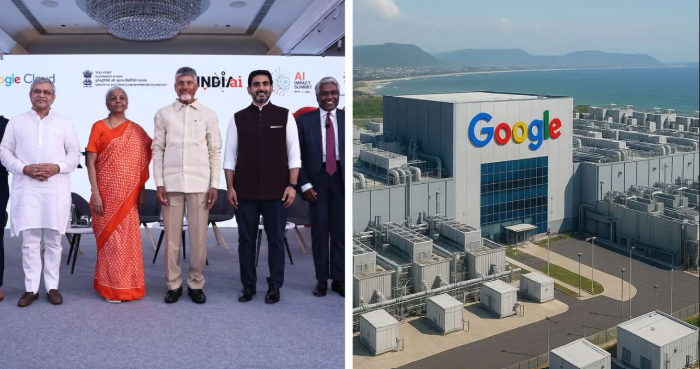
Google’s planned $15 billion data-centre and AI hub in Visakhapatnam, Andhra Pradesh, is being described as a major investment in India’s digital future. The project, expected to be developed between 2026 and 2030, will include a gigawatt-scale data centre campus, renewable-energy infrastructure and a subsea cable network. But behind the promise of AI, jobs and economic growth is a growing environmental debate. Local activists have raised concerns about the amount of water the facility could require in a city that already faces a reported daily water shortage of around 70 million litres. There are also concerns because the proposed development is close to the Kambalakonda Wildlife Sanctuary, which supports important wildlife, including leopards and pangolins. For a country already struggling with water stress and habitat loss, the question is whether another massive industrial project can be added without putting more pressure on nature.
Google says it plans to use advanced air-cooling technology to reduce water consumption, while the state government has defended the project and says environmental safeguards will be followed. But the controversy highlights a problem that is often overlooked in the race to build AI infrastructure: digital technology still has a very physical environmental footprint. Data centres need huge amounts of electricity, cooling, land and water, and their impact depends heavily on where they are built. India needs investment, technology and jobs, but development cannot come at the cost of communities and ecosystems. If the AI revolution is supposed to build the future, it should not do so by draining the water resources or weakening the wildlife systems that future generations will depend on. More