
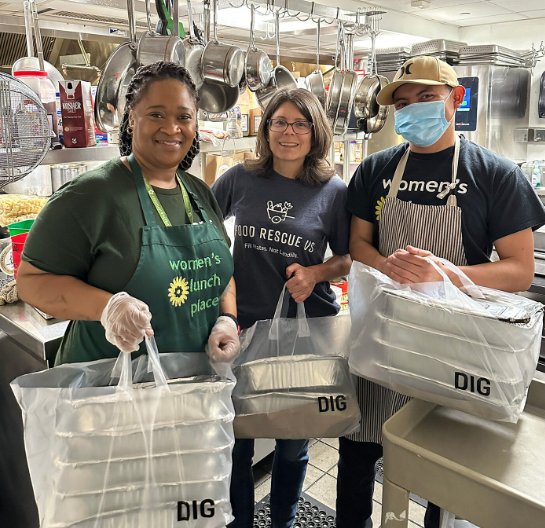
Across Massachusetts, a growing network of food rescue organisations is proving that food waste and hunger can be tackled together. Every day, volunteers collect surplus food from supermarkets, farms, restaurants, wholesalers, and food manufacturers before it is thrown away, delivering it instead to food banks, shelters, schools, senior centres, and community kitchens. Thousands of residents benefit from these rescued meals each week, while tonnes of perfectly edible food are diverted from landfills. The initiative not only provides nutritious food to vulnerable families but also helps businesses reduce disposal costs and supports local communities struggling with rising food prices.
The environmental benefits are equally significant. Food waste accounts for an estimated 8–10% of global greenhouse gas emissions, largely because organic waste releases methane—a greenhouse gas far more potent than carbon dioxide—when it decomposes in landfills. By recovering edible food, Massachusetts is reducing landfill waste, conserving the water, land, and energy used to produce food, and supporting a more circular economy. State policies, including commercial food waste disposal bans, along with partnerships between non-profit organisations, local governments, and private businesses, have accelerated food recovery efforts. Experts say expanding these programmes nationwide could play a crucial role in improving food security, cutting emissions, and creating a more sustainable and resilient food system. More