
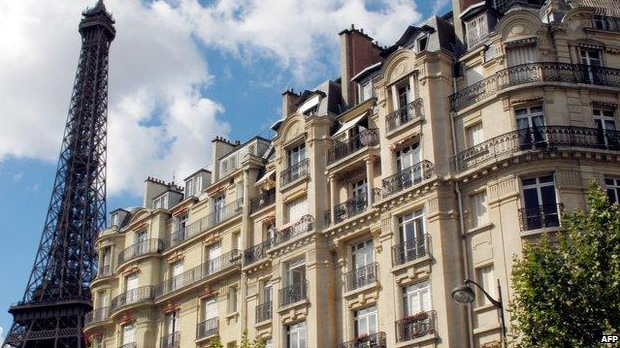
With summer heatwaves becoming more frequent and severe across France, many residents are seeking relief by checking into air-conditioned hotels rather than enduring sweltering apartments. Cities such as Paris have experienced prolonged periods of extreme temperatures, with many older buildings lacking insulation or modern cooling systems. As daytime temperatures climb above 35°C and nights remain uncomfortably warm, hotels are increasingly being used as temporary “climate refuges” by families, older adults, remote workers, and people living in top-floor apartments where indoor temperatures can become dangerously high.
The trend reflects a broader challenge facing European cities as climate change increases the intensity and duration of heatwaves. Health authorities warn that extreme heat is one of the continent’s deadliest weather hazards, contributing to thousands of excess deaths each year, particularly among elderly and vulnerable populations. Urban planners and climate experts say the growing reliance on hotels for cooling highlights the urgent need to retrofit older buildings, expand green spaces, improve energy-efficient housing, and establish more publicly accessible cooling centres. As France adapts to a warmer future, keeping cities livable during extreme heat is becoming both a public health priority and a critical climate resilience challenge. More