
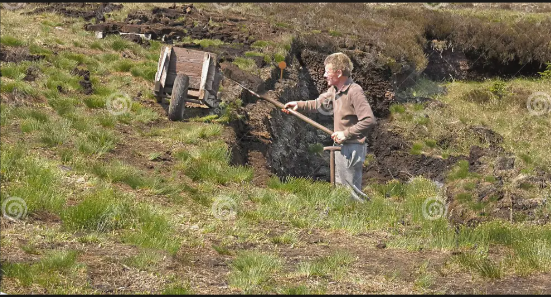
Across Ireland, former peat extraction sites are being transformed into thriving wetlands as large-scale rewilding and restoration projects breathe new life into damaged peat bogs. For decades, peat was harvested for fuel and horticulture, leaving vast areas drained and ecologically degraded. Today, restoration teams are blocking drainage channels, rewetting the land, and allowing native bog vegetation such as sphagnum mosses to return. These efforts are helping peatlands regain their natural ability to store carbon, regulate water flow, and provide habitat for wildlife. Scientists consider peat bogs among the world’s most effective carbon sinks, despite covering only a small fraction of Earth’s land surface.
The recovery is already delivering visible results. Restored bogs are attracting dragonflies, amphibians, ground-nesting birds, and rare plant species that depend on wetland habitats. As water levels rise, the peat stops releasing large amounts of stored carbon into the atmosphere and gradually resumes capturing carbon from the air. Conservationists estimate that healthy peatlands can lock away carbon for thousands of years while also reducing flood risks and improving water quality downstream. Ireland’s restoration work is increasingly being viewed as a model for climate action and ecosystem recovery, showing how landscapes once altered by human activity can be returned to vibrant, nature-rich habitats that benefit both people and the planet. More