
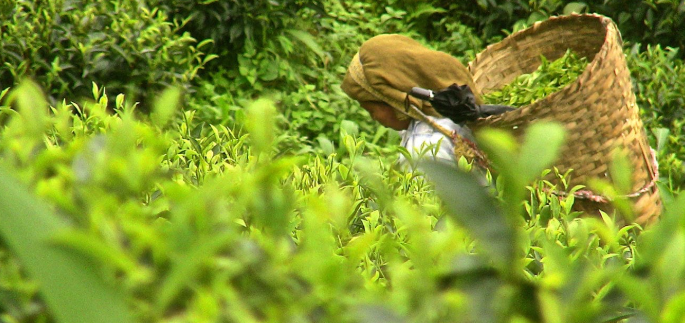
In the misty slopes of the Himalayan foothills in Darjeeling, one of the world’s most prized teas is undergoing subtle but significant changes as the climate shifts. Growers report that rising temperatures, irregular rainfall, and more frequent dry spells are altering the delicate balance of conditions needed for high-quality tea leaves. Darjeeling tea—famous for its light, floral aroma and complex “muscatel” flavour—depends on cool nights, steady monsoon cycles, and slow leaf growth. When these patterns are disrupted, the chemistry of the leaves changes, affecting taste, aroma, and yield. Studies from Indian tea research institutes have already observed shifts in harvest timing and leaf quality in several estates over recent decades.
Farmers across the region are also facing practical challenges beyond flavour. Unpredictable weather is increasing pest pressure, reducing soil moisture stability, and forcing estates to experiment with irrigation and shade management to protect crops. At the same time, production volumes have been fluctuating, raising concerns about long-term economic sustainability for small growers who depend heavily on seasonal harvests. Experts warn that if warming trends continue, the unique environmental niche that produces authentic Darjeeling tea could shrink further, threatening both livelihoods and a globally recognised cultural product. This makes the issue not just about agriculture, but about preserving a rare ecological and sensory heritage shaped over more than a century. More