
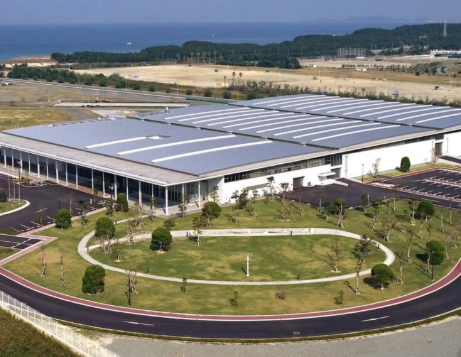
Japan has brought online Asia’s first osmotic power plant in Fukuoka, showcasing a new way to generate clean electricity using the natural interaction between freshwater and seawater. The system works by letting the two types of water mix through a special membrane, creating pressure that spins turbines and produces power. Because this process doesn’t depend on sunlight or wind, the plant can operate continuously, offering a steady and reliable energy source. Early estimates suggest it can generate close to 880,000 kilowatt-hours each year—enough to meet the needs of a small community or support nearby infrastructure.
What sets this project apart is how it integrates with existing water treatment systems. It uses treated wastewater along with concentrated seawater from desalination processes to maximise efficiency. Although osmotic power is still an emerging technology, with challenges like high membrane costs and energy losses, this plant represents an important step forward. Experts believe such “blue energy” systems could play a key role in the future energy mix by providing stable, low-carbon electricity alongside more variable renewables like solar and wind. More