
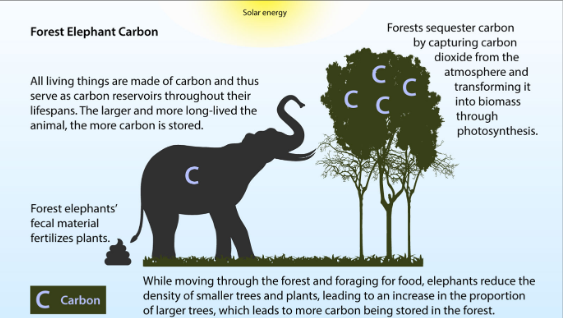
A conservation project in a private reserve in South Africa is demonstrating how carbon markets can directly support ecosystem restoration and wildlife recovery. By monetising carbon sequestration through reforestation and grassland restoration, the reserve has been able to generate funding that is reinvested into removing invasive species, restoring native vegetation, and expanding protected habitats. The approach links climate finance with biodiversity goals, turning carbon credits into a practical tool for scaling up conservation work on the ground.
The project shows measurable ecological gains as degraded land is gradually converted back into functioning savannah and woodland systems. Native herbivores and predator populations are beginning to return as habitat connectivity improves, while restored vegetation increases the landscape’s ability to store carbon over time. Conservationists say this model could help close funding gaps in protected areas by aligning climate mitigation incentives with wildlife restoration, offering a pathway where carbon markets actively drive long-term rewilding rather than just offset emissions. More