
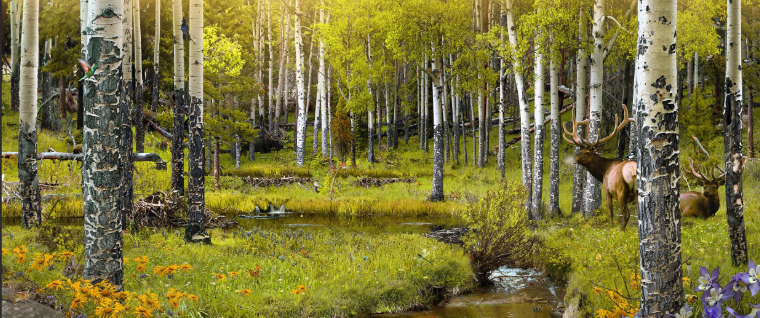
A long-term field experiment in the Rocky Mountains shows how a relatively small rise in temperature—about 2°C—can significantly alter an entire ecosystem. Researchers heated sections of a natural alpine meadow using infrared equipment to mimic future climate warming and tracked changes over several decades. Instead of increasing overall plant growth, the warmer plots saw a clear shift in vegetation: delicate wildflowers and grasses declined, while woody shrubs, particularly sagebrush-type species, expanded rapidly and began to dominate the landscape.
The warming also reshaped what was happening beneath the soil. Drier conditions reduced soil moisture and placed stress on shallow-rooted plants, while underground fungal networks that help plants absorb nutrients became less active. At the same time, microbes involved in breaking down organic matter became more dominant, changing how carbon and nutrients move through the system. Scientists say this “shrubification” trend could spread to other cold-region ecosystems, gradually replacing diverse plant communities with simpler shrub-heavy ones and altering how these landscapes store carbon in a warming world. More