
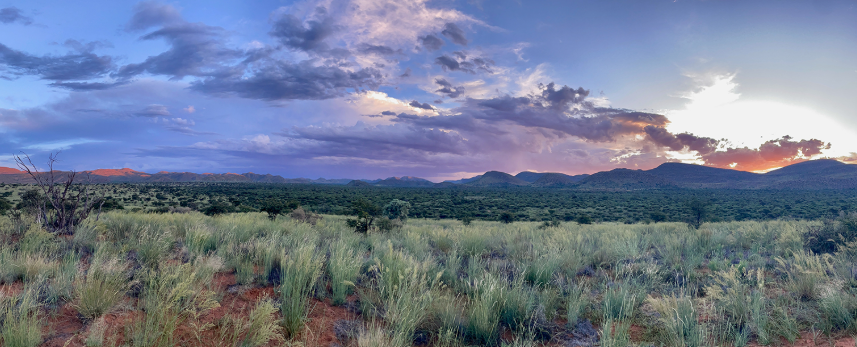
In South Africa, innovative conservation at Babanango Game Reserve is showing how carbon finance can accelerate ecosystem restoration. Spanning over 20,000 hectares, the reserve has been transformed from degraded farmland into a thriving habitat through a rewilding model funded partly by carbon credits. By restoring native vegetation and reintroducing wildlife such as elephants, lions, and rhinos, the project captures significant amounts of carbon dioxide—estimated at tens of thousands of tonnes annually. These carbon offsets are then sold to companies aiming to reduce their emissions, generating revenue that directly funds conservation efforts and local employment.
Beyond emissions reduction, the project delivers measurable ecological and social benefits. Biodiversity has rebounded, with increasing populations of keystone species helping to stabilize ecosystems and promote natural regeneration. At the same time, the reserve has created hundreds of jobs for nearby communities, linking conservation with economic development. This model highlights how carbon markets, when properly managed, can go beyond mitigation to actively rebuild ecosystems. As global demand for credible carbon offsets rises, initiatives like Babanango offer a scalable blueprint for rewilding landscapes while supporting both climate goals and local livelihoods. More