
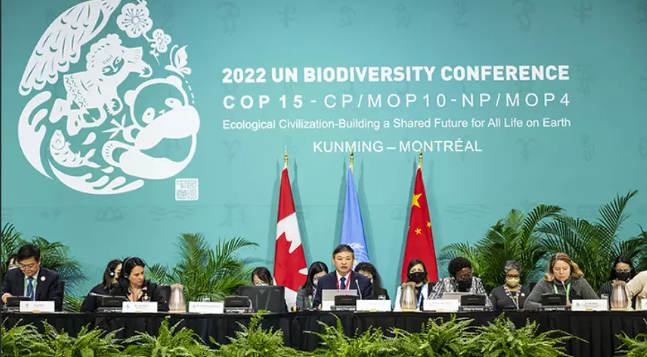
At the COP15, countries agreed to expand international safeguards for 42 migratory species, marking a major step in global wildlife conservation. The decision covers birds, mammals, and marine species whose survival depends on crossing multiple countries and ecosystems. Among the newly protected species are the critically endangered Yangtze Giant Softshell Turtle, several whale species, and long-distance migratory birds like the Spoon-billed Sandpiper. Delegates emphasized that protecting these species requires coordinated international action, including habitat conservation, reducing hunting pressures, and ensuring safe migration corridors.
Experts say the COP15 commitments could help reverse declines in migratory populations, many of which face threats from climate change, habitat loss, and pollution. The agreement builds on previous international treaties, such as the Convention on the Conservation of Migratory Species of Wild Animals (CMS), and sets measurable targets for countries to implement conservation measures. Scientists highlight that migratory species are critical for ecosystem health — for example, whales support ocean nutrient cycles, while migratory birds help control insect populations — making their protection a key component of global biodiversity and climate resilience strategies. More