
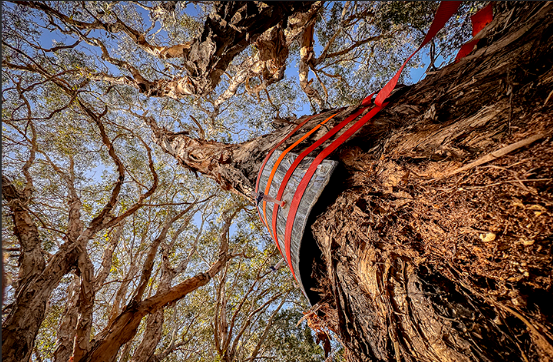
Scientists have discovered that microscopic organisms living on tree bark play an unexpected role in controlling greenhouse gases in forests. In a recent study led by researchers from University of Birmingham and the University of Oxford, scientists examined trees in tropical forests in Panama and temperate forests in United Kingdom. They found that bacteria living on tree bark actively consume methane — a greenhouse gas that is more than 25 times stronger than carbon dioxide at trapping heat over a 100-year period. The discovery shows that trees are not only carbon sinks but also natural methane filters because microbes on their bark break down methane before it escapes into the atmosphere.
Researchers say this process is important because methane is one of the fastest-growing contributors to global warming. The study found that in humid forests, methane-eating microbes on bark can significantly reduce the amount of methane released from soils and wetlands beneath the forest canopy. Scientists believe this hidden microbial activity could change how forests are included in climate models and carbon budgets. Protecting intact forests, they say, is crucial because cutting down trees would remove not only carbon-storing vegetation but also these tiny microbial communities that help regulate greenhouse gases in the atmosphere. More