
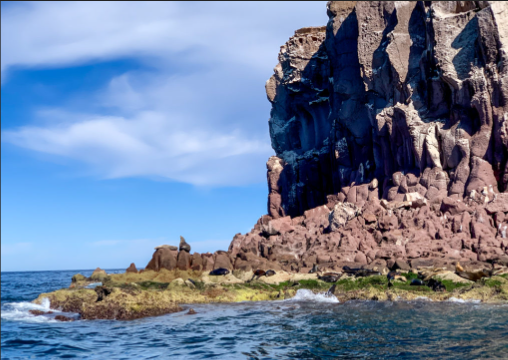
A remarkable conservation effort has transformed Espíritu Santo Island into one of Mexico’s most celebrated protected natural areas. In the 1990s, environmental groups, local residents and philanthropists worked together to stop plans for large-scale tourism developments, including luxury resorts and casinos. Around 30 private landowners agreed to sell the island, and roughly $3 million was raised to purchase the land and hand it over to the Mexican government for permanent protection. The island later became part of the protected region within the Gulf of California and gained global recognition when it was included in the UNESCO World Heritage listing for the region’s islands and protected areas.
Today, Espíritu Santo is often compared to the Galápagos Islands because of its extraordinary biodiversity and relatively untouched landscapes. The island is home to more than 1,000 species of plants and animals, including endemic reptiles, seabirds and a large colony of California sea lions. Its turquoise waters, coral reefs and desert-cliff ecosystems have made it a leading example of sustainable eco-tourism in Mexico. Conservationists say the island shows how cooperation between communities, scientists and governments can protect fragile ecosystems while still allowing carefully managed tourism to support local livelihoods. More