
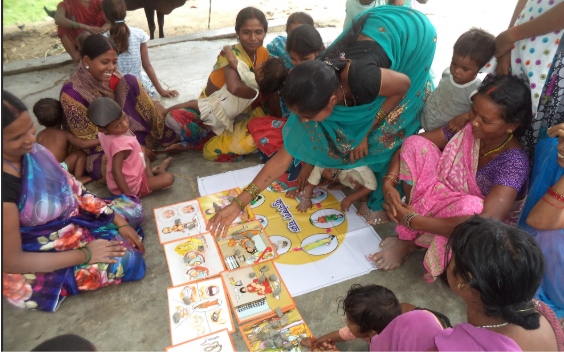
In parts of Odisha in eastern India, Indigenous women from forest-dependent communities are creating “dream maps” to help safeguard their ancestral lands from the growing impacts of climate change. The maps combine traditional knowledge, memories and local observations to document key resources such as forests, streams, grazing lands and sacred sites. Women in districts like Mayurbhanj and Keonjhar are mapping how landscapes have changed due to deforestation, erratic rainfall and water shortages, helping communities better understand climate risks and plan ways to protect their environment.
The initiative also supports communities in strengthening their legal rights over forests under India’s Forest Rights Act 2006, which allows Indigenous and forest-dwelling groups to claim and manage traditional lands. Local authorities and environmental organisations have begun recognising these community-created maps as valuable tools for conservation planning and climate adaptation. Supporters say the approach blends Indigenous knowledge with participatory mapping, empowering women to play a central role in protecting biodiversity and securing land rights for future generations. More