
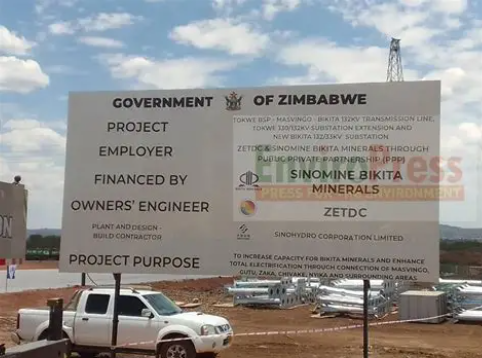
In a dramatic shift toward resource sovereignty and sustainable development, Zimbabwe has imposed an immediate ban on the export of all raw minerals and lithium concentrates. The policy, announced by Mines Minister Polite Kambamura on 25 February 2026, applies to shipments already in transit and will remain in force “until further notice.” The Southern African nation holds Africa’s largest known lithium reserves, along with significant deposits of chromium, nickel, and rare earth elements — minerals critical for clean energy technologies. Previously, high volumes of unprocessed spodumene concentrate were exported, mostly to China, for refinement into battery‑grade lithium, with Zimbabwe capturing only a fraction of the value. Mining contributes roughly 14% of national GDP and employs tens of thousands, especially in rural communities.
For Green Humans, the decision isn’t just economic — it’s about rebalancing power between extraction and local benefit. The government says the ban aims to end malpractice, leakage, and opaque export systems and spur investment in local processing facilities and value‑added industries. If successful, this could generate new manufacturing jobs, reduce greenhouse gas emissions tied to long‑distance transport and overseas refining, and ensure that the wealth under Zimbabwean soils supports schools, clinics, and equitable development. Critics warn of short‑term disruptions to global lithium supply chains and potential investor pushback, but supporters argue that communities and ecosystems deserve more than being sources of raw material — they deserve to share in the benefits of the green economy they help power. More