
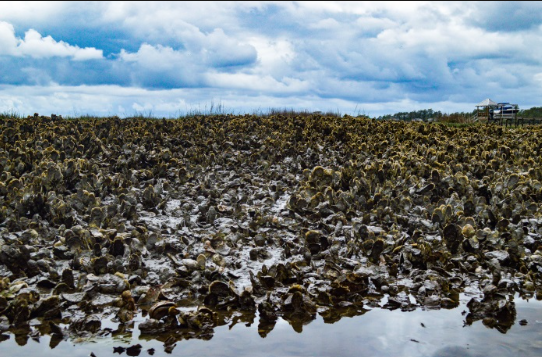
Sydney Harbour once boasted the largest known native oyster reef system in the world, with dense clusters of oyster colonies that naturally filtered water, supported fish nurseries, and buffered wave energy along shorelines. But starting in the early 1800s, colonial dredging and reclamation removed massive amounts of reef structure to make way for wharves and ports. Overfishing and pollution followed, driving oyster numbers to collapse — today less than 1% of the original reef area remains, according to marine surveys. The result has been poorer water clarity, reduced habitat for species like bream and leatherjacket fish, and weaker natural coastal defenses.
Scientists and restoration practitioners are now turning that history around with evidence‑based reef rebuilding. Using millions of recycled oyster shells and limestone substrates, teams have constructed new reef bases at sites including Berrys Bay and Middle Harbour, where oysters are being seeded and monitored. Early data show high settlement rates of juvenile oysters, improved water filtration, and increasing sightings of fish and invertebrates returning to these structures. Researchers say that restored oyster reefs can filter tens of millions of litres of water annually, boost biodiversity, and strengthen shoreline resilience — making this not just an ecological win, but a practical blueprint for restoring marine habitats in urbanised coasts. For Green Humans, this story is about repairing past damage with science, community collaboration, and nature’s own engineering. More