
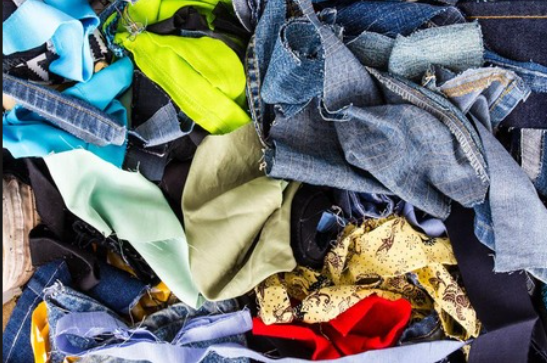
The European Union is taking a major step to curb fashion waste by banning the destruction of unsold clothes, shoes, and accessories. Under the Ecodesign for Sustainable Products Regulation (ESPR), large companies in the EU will no longer be allowed to burn or discard unsold stock starting July 2026, with medium-sized firms following by 2030. Currently, around 4–9% of unsold textiles are destroyed annually, generating roughly 5.6 million tonnes of CO₂, equivalent to the yearly emissions of a country like Sweden. The rules also require companies to report the volume of products discarded, improving transparency and helping track progress toward sustainability.
The new regulation is expected to push the fashion industry toward circular economy practices, encouraging resale, donations, repairs, or repurposing of surplus items instead of destruction. By promoting better inventory management and alternative handling of unsold stock, the EU hopes to reduce environmental impact and greenhouse gas emissions. While environmental groups have welcomed the move, industry experts note that it could require significant adjustments in supply chains and logistics, especially for brands that operate across multiple countries, potentially reshaping how global fashion companies plan production and distribution. More