
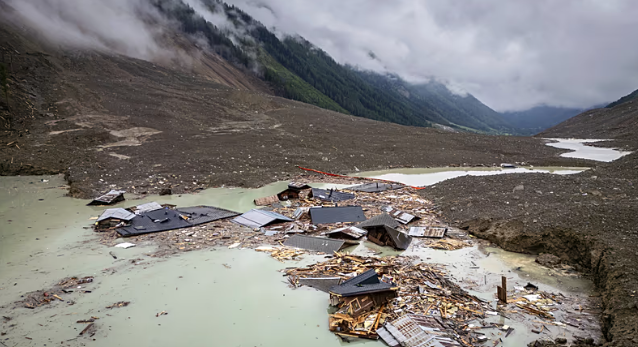
The year 2025 became a stark illustration of how rapidly the planet is warming and how unevenly societies are responding. Global temperatures remained at historic highs, with scientists confirming that the rolling multi-year average temporarily crossed the 1.5°C warming threshold set under the Paris Agreement. This warming translated into severe real-world impacts: prolonged heatwaves, destructive floods, intense wildfires, and powerful storms affected millions across continents. Heat-related events emerged as the deadliest climate hazard of the year, while ecosystems suffered as well, most notably through a large-scale global coral bleaching episode that damaged reefs across the tropics. The physical signals of climate change were no longer abstract projections but daily realities.
At the same time, political responses struggled to keep pace with the accelerating crisis. International climate negotiations exposed persistent rifts between major economies, with talks failing to deliver firm commitments on phasing out fossil fuels. In several countries, climate policies were diluted or delayed amid economic and electoral pressures, even as clean energy expansion continued unevenly elsewhere. New cooperative efforts, including limited carbon market initiatives, offered some progress but fell short of the systemic action scientists say is required. Together, the contrast between escalating climate impacts and fragile political resolve made 2025 a defining year—one marked as much by warning signs as by missed opportunities. More