
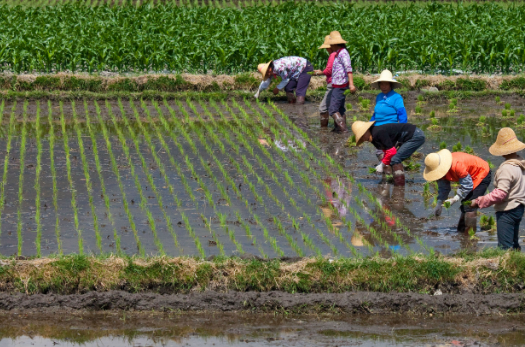
Rice cultivation is a critical global food source, but it’s also a major contributor to methane emissions, accounting for approximately 8% of agriculture-related greenhouse gases. Innovative techniques are emerging that can reduce this impact significantly. One of the most promising methods is Alternate Wetting and Drying (AWD), which alternates between flooding and drying the rice paddies. This disrupts the anaerobic conditions that generate methane, cutting emissions by as much as 85%. Alongside AWD, other practices like early-season drainage and the System of Rice Intensification (SRI) are also proving effective in reducing methane emissions while maintaining high crop yields. Studies show that these techniques not only reduce methane but also improve water use efficiency and decrease the need for chemical inputs, making them both environmentally and economically beneficial for farmers.
In addition to these techniques, scientists have developed new rice varieties that naturally produce less methane, contributing even further to sustainability. One such variety has demonstrated up to a 70% reduction in methane emissions, with no loss in productivity. Furthermore, research from the International Rice Research Institute (IRRI) shows that widespread adoption of these low-methane practices could lower global rice production emissions by 30-40%, helping meet climate targets. This shift also presents economic benefits, as consumers are increasingly willing to pay a premium for sustainably produced rice. As global interest in sustainable food production grows, these low-methane rice practices offer a critical pathway to reducing agricultural emissions while feeding the world’s growing population. More